
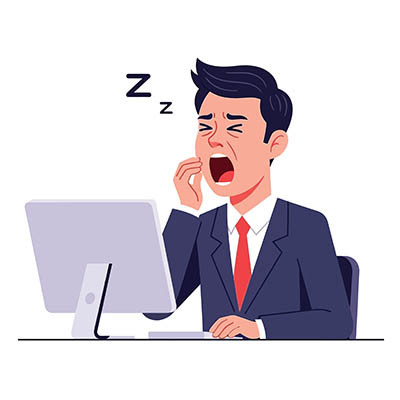
Weāre sure that even your most talented employees have tasks on their plate that make them feel like expensive data-entry clerks. This is known as the ātedium tax,ā and it can have a very real impact on small businesses (especially when employees wear multiple hats). When you have multiple tools that donāt speak well with each other, and youāre forced to resort to manual data entry, your team starts to act like a āhuman bridge,ā connecting these isolated apps themselvesāand wasting a lot of time in the process.

Phantom Technology Solutions Blog
IT is more than a necessary expense; itās a tool to get your business into a more advantageous position, one where you can make more money and help more people. The only way you can get to this point, however, is if your IT is yielding a return on your investment; otherwise, it will always feel like a money pit.
For all its benefits, remote work has certainly created some challenges. One major issue is the lack of visibility you have over your employees and the ramifications that could result.
While it is critical to cultivate trust in and with your employees, you also need tools to monitor progress and hold your team members accountable. Letās talk about some of the issues you may discover once we give you the visibility you need.
Manufacturing equipment costs a pretty penny, so you naturally expect it to drive profits and yield a return on investment. Yet, how often do these machines break down and cost you more than they should? By the time the red light turns on that tells you somethingās wrong, youāve already wasted precious time that you could have been saving with proactive, preventative maintenance.
Many businesses think of IT as nothing but an expense, often represented by losses on your budgeting reports. You might dump countless dollars into your IT only for it to eat it all up without providing any discernible return on investment. Hereās the truth about IT: when itās managed properly, it can represent opportunity and investment rather than expense.
We all want to be more productive, but actually being more productive is harder than it sounds. Thankfully, you can make being productive easier than ever by implementing proven frameworks to drive success. Today, weāll highlight three different frameworks: the Eisenhower Matrix, Eat the Frog, and the Two-Minute Rule.
When the time comes that you have to make a big decisionāone that could have some significant impact on your business, for instanceāwhat does your thought process look like? Do you rely on data, or do you rely on what your gut tells you?
If itās the latter, youāre literally relying on your least accurate information and hoping that you get the most beneficial outcome. Instead, why not rely on the other, quantitative and confirmed data your business has collected over the years and pair it with the analytical prowess of AI tools?
Your IT project manager is the centerpiece at the proverbial table of project implementation. Without one, your project will be much more likely to fail, or at least more likely to get done incorrectly or inefficiently. Today, we want to break down some of the qualities that make for a great project manager and how you can find the right one for your business.
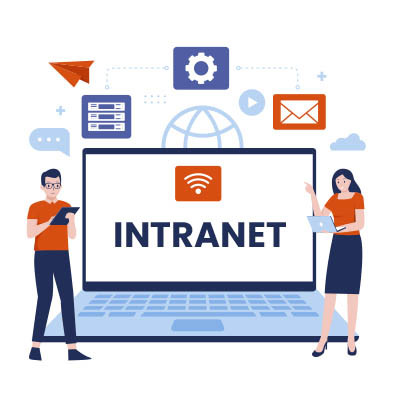
There are countless moving parts for any business, and if you donāt keep your operations organized, you could quickly find yourself losing grasp of your business in the worst ways. SMBs might use instant messaging, shared drives, and endless email chains to communicate internally, but thereās a better, less clunky solution. Weāre looking into the intranet, a digital hub for your business that offers several benefits.
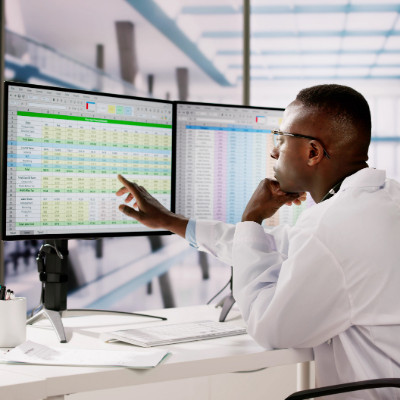
Some of the most versatile and useful technology out there might already be installed on your infrastructure. One such tool is Microsoft Excel, Microsoft 365ās spreadsheet building platform. You might be surprised to find out that Excel can be used in some interesting waysāincluding these three uses.
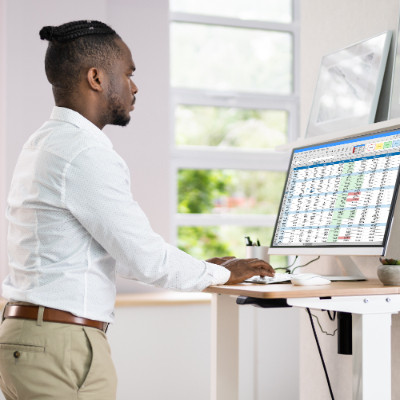
Are you tired of that afternoon slump, the achy back, or just feeling generally sluggish after hours of sitting? Well, what if I told you there's a simple change you can make that could improve your workday and boost your well-being? We're talking about the mighty standing desk.
We're all looking for ways to feel better and be more productive, and standing desks are quickly becoming a must-have for good reason. Let's walk around some of the awesome benefits they bring to the table.
While many people have heard the saying work smarter, not harder, this approach only works if employees are engaged with the tools youāve chosen to outfit your business with. Even though new gadgets and software are exciting for most workers, the true benefits come when these investments directly boost productivity, helping businesses succeed.
When it comes to your businessā IT, thereās a nasty word called ādowntimeā thatās always referred to in a negative way, and for good reason. Downtime can be a business killer if itās not monitored for and avoided. To help you understand just how dire downtime can be, we want to compare it to its natural enemy: uptime.
We can probably all agree that thereās a big difference between āstaying busyā and ālooking busy,ā and that the first option is generally the better one in the workplace. The big difference is how productive you actually are.
Letās go over some simple-to-implement ways you can help your team boost their productivity without even thinking about it.
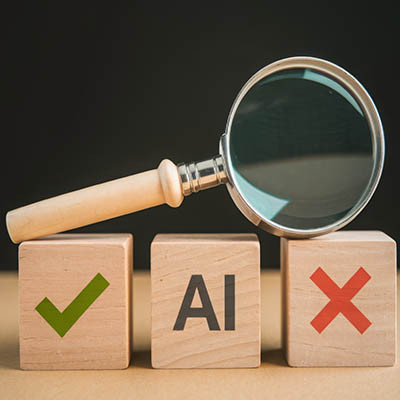
Artificial Intelligence (AI) is everywhere these days. It has become a standard feature in many business tools and devices. This means a lot of people are using it day-in and day-out. The question becomes: Is it truly beneficial, or does it create more headaches than it solves? Let's explore how AI can actually help your business.
You probably have to rewrite the same messages day in and day out for internal reporting and client interactions, and it probably takes up a ton of time that would be better spent elsewhere. Furthermore, youāre probably copying and pasting, which can lead to errors and oversights that you could live without. If youāre doing this for email, then you should be leveraging templates to keep your messages consistently top-quality. Letās go over how to set them up.
Step into any modern medical facility, and you'll witness a complex interplay of human expertise and sophisticated technology. From the front desk to the operating room, information technology is not just a convenience; it's vital for nearly every aspect of patient care and operations.
Consider the intricate systems within a hospital or clinic. When these systems function the way they are designed to, information flows efficiently, decisions are well-informed, and patient outcomes benefit. If this system falters, however, the impact can be immediate and significant.